
Becoming a landlord for the first time in London is a significant step. Alongside managing tenants and maintaining your property, you must meet a range of legal safety requirements. These are not optional; they form the foundation of responsible property management.
Understanding rental property compliance early helps you avoid penalties, protect your investment, and provide a safe environment for tenants. For many new landlords, the challenge lies in knowing exactly which certificates are required and how often they need to be updated.
A structured new landlord checklist makes this process much easier. By focusing on the key certifications outlined below, you can ensure your property meets UK regulations and remains fully compliant.
Why Certification Is Essential for First-Time Landlords
Property compliance in the UK is designed to protect both tenants and landlords. Regulations ensure that all essential systems within a property, such as gas, electrics, and fire safety, are safe and regularly maintained.
Failing to meet these standards can result in serious consequences. Landlords may face fines, invalid insurance, or legal action. More importantly, non-compliance increases the risk of accidents, which can harm tenants and damage your reputation.
For first-time landlords, compliance should not be seen as a burden. Instead, it is a structured way to maintain your property, reduce risks, and build trust with tenants from the outset.
1. Electrical Installation Condition Report (EICR)
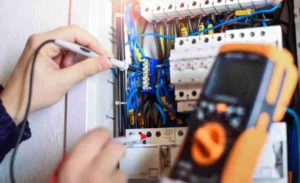
An Electrical Installation Condition Report is a detailed inspection of a property’s electrical systems. It evaluates wiring, sockets, fuse boxes, and overall electrical safety.
What the EICR Covers
During the inspection, qualified engineers assess the condition of electrical installations and identify potential hazards. These may include damaged wiring, overloaded circuits, or outdated systems.
The report categorises issues based on severity and provides recommendations for remedial work where necessary.
Legal Requirements in the UK
Landlords in England must ensure that electrical installations are inspected at least every five years. A valid EICR must be in place before tenants move in and must be renewed within the required timeframe.
Importance for Compliance
Electrical faults are a leading cause of residential fires. A valid EICR ensures that your property meets safety standards and significantly reduces risk. For landlords following a new landlord checklist, this is one of the first and most critical steps.
2. Gas Safety Certificate
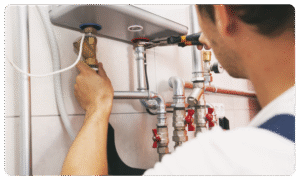
A Gas Safety Certificate authorises that all gas appliances and systems within a property are safe to use. This includes boilers, cookers, and heating systems.
What the Inspection Includes
A Gas Safe registered engineer will check gas appliances, pipework, and ventilation systems. The inspection ensures that everything is functioning correctly and safely.
Legal Obligations
Landlords are legally required to arrange a gas safety check every 12 months. A valid certificate must be provided to tenants and retained for records.
Why It Is Critical
Gas-related issues can be extremely risky. Carbon monoxide leaks, in particular, are difficult to detect and can have serious consequences. Maintaining a valid gas safety certificate is a key part of rental property compliance, ensuring both legal protection and tenant safety.
3. Energy Performance Certificate (EPC)
An Energy Performance Certificate assesses the energy efficiency of a property and assigns it a rating from A to G.
What the EPC Measures
The EPC evaluates factors such as insulation, heating systems, and energy usage. It also provides recommendations for improving efficiency.
Legal Requirements
An EPC is required when renting out a property. Landlords must ensure that the property meets a minimum energy efficiency rating of E.
Benefits for Landlords
Energy-efficient properties are more attractive to tenants and can command higher rental values. They also help reduce energy costs, which is increasingly important in today’s market.
4. Fire Safety Certificate and Fire Risk Assessment
Fire safety is a critical component of property compliance, particularly in rental properties.
What Fire Safety Covers
This includes smoke alarms, fire detection systems, emergency lighting, and escape routes. A fire risk assessment identifies risks and ensures that appropriate measures are in place.
Legal Responsibilities
Landlords must install smoke alarms on every floor and carbon monoxide alarms where required. Regular checks must be carried out to ensure these systems are functioning correctly.
Importance for Tenant Safety
Fire safety measures can save lives. Ensuring that your property meets fire safety standards is not only a legal obligation but also a moral responsibility.
5. PAT Testing (Portable Appliance Testing)
PAT testing ensures that electrical appliances provided by the landlord are safe to use.
What Is Included
This applies to items such as kettles, microwaves, and other plug-in appliances. Each item is tested and labelled to confirm its safety status.
Legal Considerations
PAT testing is strongly recommended while not always mandatory, especially in furnished properties and Houses in Multiple Occupation (HMOs).
Why It Matters
Faulty appliances can cause electric shocks or fires. Regular testing demonstrates a proactive approach to safety and supports overall rental property compliance.
Building a Reliable Compliance Strategy
Meeting legal requirements is not a one-time task. It requires ongoing management and organisation.
Keeping clear records of all certificates ensures that you can demonstrate compliance when needed. It also helps track renewal dates and avoid lapses.
Scheduling inspections in advance allows you to maintain compliance without last-minute stress. Many landlords choose to align multiple services to streamline the process.
Working with a Professional Service Provider
Managing multiple certificates can be challenging, especially for first-time landlords. Working with a professional provider simplifies the process. Qualified engineers ensure that inspections are carried out correctly and certificates are issued promptly.
Many landlords prefer using a single provider for multiple services, including electrical, gas, fire safety, and health & safety checks. This approach saves time and ensures consistency.
EICR Cert supports landlords across London with a full range of property compliance services. With experienced engineers, transparent pricing, and fast turnaround times, landlords can manage their responsibilities with confidence.
Common Questions
What certificates do landlords need in London?
Landlords in London normally need an EICR, Gas Safety Certificate, Energy Performance Certificate (EPC), fire safety measures, and often PAT testing to ensure full compliance with UK regulations.
How often should rental property certificates be renewed?
Gas safety certificates must be renewed every 12 months. EICRs are generally valid for five years, while EPCs last for ten years. Other checks may vary depending on the property.
Is rental property compliance mandatory in the UK?
Yes, rental property compliance is a legal requirement. Landlords must ensure that their properties meet safety standards to protect tenants and avoid penalties.
What is included in a new landlord checklist?
A new landlord checklist includes obtaining required certificates, ensuring safety systems are in place, maintaining records, and scheduling regular inspections.
Can I manage all landlord certificates through one company in London?
Yes, many landlords choose a single provider like EICR Cert to handle multiple services, including electrical, gas, and fire safety inspections, making compliance easier and more efficient.
What happens if a landlord does not have the required certificates?
Failure to comply can result in fines, legal action, invalid insurance, and increased safety risks for tenants.
Conclusion
Understanding these essential certification requirements is critical for safe and compliant property management for first-time landlords. A clear new landlord checklist facilitates ensuring that all aspects of rental property compliance are covered. The five key certificates, EICR, Gas Safety Certificate, EPC, fire safety, and PAT testing, form the foundation of this process.
By staying organised, scheduling regular inspections, and working with qualified professionals, landlords can protect their investment, meet legal obligations, and build strong relationships with tenants.