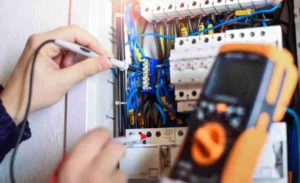
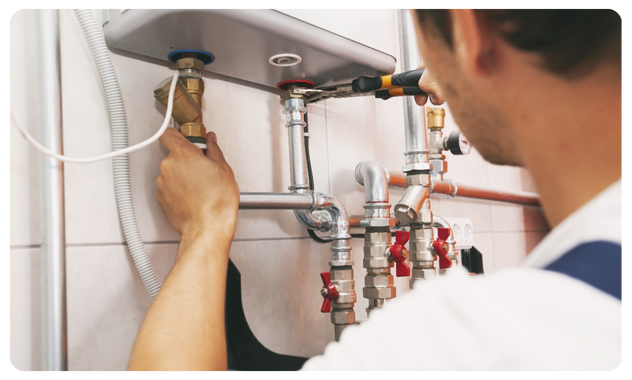
A gas safety check is a legal requirement for landlords and a critical safety measure for any property with gas appliances. Whether you own a Victorian terrace in Camden, a modern flat in Canary Wharf, or a commercial kitchen in Soho, understanding what engineers examine during these inspections helps ensure compliance and occupant safety.
Under the Gas Safety (Installation and Use) Regulations 1998, landlords must arrange annual gas safety checks by a Gas Safe registered engineer. The inspection produces a CP12 Gas Safety Record, valid for 12 months, which must be provided to tenants within 28 days and retained for two years.
Here are the 10 critical elements engineers examine during every gas safety check.
1. Gas Tightness and Leak Detection
The engineer starts by conducting a tightness test at the gas meter to verify the entire installation is leak-free. Using specialised detection equipment, they check all pipework, fittings, and connections for gas escapes. Even minor leaks pose significant risks, as gas accumulation can lead to fires, explosions, or asphyxiation.
For commercial properties, this test covers extensive pipework runs and multiple appliance connections. The engineer also inspects pipework for signs of corrosion, physical damage, or wear that could compromise integrity over time. In older London properties, original gas pipework may have been in place for decades, making thorough inspection particularly important
2. Appliance Operating Pressure and Gas Rate
Engineers verify that each gas appliance operates at the correct pressure and gas rate according to manufacturer specifications. Incorrect pressure indicates potential supply issues, regulator faults, or appliance malfunction that requires investigation.
The engineer measures standing pressure at the meter outlet, working pressure at appliance inlets, and gas consumption rates. Deviations from manufacturer specifications require investigation and rectification before the appliance can be deemed safe. This ensures appliances operate efficiently while minimising safety risks
3. Ventilation and Air Supply
Adequate ventilation is essential for safe gas appliance operation. Engineers check that permanent ventilation openings are unobstructed and correctly sized, air supply routes remain clear and functional, and ventilation grilles and air bricks are free from blockage
In period properties, original ventilation features are sometimes sealed during renovation work, creating dangerous conditions. Engineers specifically verify that modernisation has not compromised essential air supply routes that appliances depend on for safe operation. This is particularly relevant for HMO conversions where multiple occupants increase ventilation demands.
4. Flue and Chimney Functionality
Flues and chimneys must safely remove combustion products from the property. Engineers conduct visual inspections and performance tests to ensure flues are correctly fitted and continuous, terminal positions comply with regulations regarding sufficient distance from openings, windows, and ventilation, and no blockages, damage, or corrosion is present
For boilers, engineers visually inspect the flue system including loft spaces where applicable. Any defects in flueing systems result in immediate appliance disconnection until repairs are completed. Proper flueing prevents carbon monoxide accumulation and ensures combustion products exit the building safely.
5. Safety Device Operation
All built-in safety devices must function correctly. Engineers test flame supervision devices including thermocouples and flame sensors, gas shut-off valves and pressure relief systems, overheat protection mechanisms, and automatic ignition systems.
These devices prevent dangerous conditions such as gas accumulation when flames extinguish unexpectedly or overheating scenarios that could damage appliances or cause fires. Regular testing ensures these critical safeguards respond appropriately when needed.
6. Combustion Analysis and Carbon Monoxide Testing
Engineers analyse flue gases to verify complete, safe combustion. Using electronic analysers, they measure carbon monoxide levels in flue products, carbon dioxide ratios, oxygen levels, and combustion efficiency
Additionally, engineers test for carbon monoxide presence in habitable areas using portable detectors. Carbon monoxide is odourless, colourless, and potentially fatal, making this check critical for occupant protection. This analysis complements fire risk assessments by identifying hazards that could contribute to fire or health emergencies.
7. Appliance Condition and Installation
A thorough visual inspection assesses the physical condition of appliances including corrosion, damage, or deterioration, correct installation according to manufacturer instructions and regulations, secure mounting and appropriate brackets, and the condition of seals and gaskets maintaining airtightness.
Engineers verify that appliances have not been modified or misused in ways that compromise safety. Any appliance deemed At Risk or Immediately Dangerous must be disconnected immediately, with warning notices issued to the landlord. This protects both current occupants and future tenants from preventable hazards
8. Burner and Flame Performance
Engineers examine burner operation to ensure clean, stable ignition without excessive delay, proper flame characteristics that appear blue rather than yellow or orange, no excessive soot production indicating incomplete combustion, and even flame distribution across burners.
Yellow or orange flames indicate poor combustion, potentially producing dangerous carbon monoxide levels. Soot accumulation suggests combustion problems requiring immediate attention. These visual indicators often reveal underlying issues before they become serious safety concerns.
9. Gas Meter Integrity
The gas meter itself receives careful inspection for correct fitting and secure mounting, freedom from damage or leaks, accurate functionality and readable displays, and accessibility for emergency isolation
Engineers verify that emergency shut-off valves remain accessible and functional, ensuring rapid gas isolation if emergencies occur. This is particularly important in multi-occupancy buildings where quick response can prevent incidents affecting multiple households.
10. Condensate Systems for Boilers
For condensing boilers, engineers check that condensate pipes are correctly fitted and unobstructed, have adequate fall for drainage, are protected against freezing particularly in unheated spaces, and have no leaks or blockages that could cause boiler malfunction or property damage
Blocked condensate pipes are a common cause of winter boiler breakdowns and can create water damage risks if not addressed. This check is essential during boiler servicing to maintain both safety and heating reliability.
Understanding Your Gas Safety Record
Following the inspection, the engineer issues a Gas Safety Record (CP12) documenting property and landlord details, engineer identification and Gas Safe registration number, date of inspection and next due date, all appliances checked with specific test results, any defects identified and remedial actions required, and confirmation of carbon monoxide and smoke alarm presence and functionality
Landlords must retain records for at least two years and provide copies to tenants within statutory timeframes. New tenants must receive the certificate before moving in, and existing tenants must receive it within 28 days of the check . Proper documentation protects landlords legally and demonstrates compliance with the Gas Safety (Installation and Use) Regulations 1998.
The Importance of Professional Competency
Since October 2023, the Building Safety Act 2022 requires that anyone conducting gas safety work must be competent, possessing sufficient training, experience, and knowledge. Always verify your engineer’s Gas Safe registration before allowing any gas work to commence.
Competent engineers understand both the technical requirements of gas systems and the specific challenges presented by London’s diverse building stock. From modern developments to period conversions, professional assessment ensures safety without compromising property integrity.
EICR Certs provides comprehensive gas safety certificates and boiler servicing across all London districts. Our Gas Safe registered engineers deliver thorough inspections, clear documentation, and prompt remedial work when required.
Frequently Asked Questions
What is the difference between a gas safety check and a boiler service?
A gas safety check verifies that appliances are safe to use and comply with regulations, focusing on tightness testing, ventilation, flueing, and safety devices. A boiler service is a more comprehensive maintenance procedure that includes cleaning components, checking wear parts, and optimising efficiency.
How long does a gas safety check take for a typical 3-bedroom house?
A standard gas safety check for a 3-bedroom house with a gas boiler, hob, and fireplace typically takes 30 to 60 minutes. The duration depends on the number of appliances, accessibility of pipework and flues, and whether any issues require investigation. Commercial properties with multiple appliances or complex installations may require several hours.
Can a tenant arrange their own gas safety check?
Yes, tenants can arrange a gas safety check, but the landlord remains legally responsible for ensuring it happens and for providing the CP12 certificate. If a tenant organises the inspection, they should verify the engineer is Gas Safe registered and request that the landlord receives a copy of the certificate.
What happens if an appliance fails the gas safety check?
If an appliance fails the gas safety check, the engineer will classify it as Not to Current Standards, At Risk, or Immediately Dangerous depending on severity. At Risk and Immediately Dangerous appliances will be disconnected immediately with warning notices issued. The engineer will explain defects to the landlord or tenant and recommend remedial actions.
Do I need a gas safety check if my property has no gas appliances?
No, if your property has no gas appliances, pipework, or meter, you do not require a gas safety check. However, if the property previously had gas services or if there is any live gas pipework, a tightness test may be required to confirm the system is safe and capped correctly.