
Electrical safety is a key responsibility for landlords, property managers, and homeowners. Many people hear about electrical inspections, but are not always clear about what EICR is or what actually happens during the inspection. Understanding how the process works can make compliance much easier and help property owners maintain safe electrical systems.
An Electrical Installation Condition Report (EICR) is a professional inspection of a property’s fixed electrical installation. A qualified electrician examines wiring, sockets, lighting, circuits, and safety devices to confirm whether the system is safe for continued use. These inspections follow the standards outlined in the BS 7671 Wiring Regulations, which guide electrical safety across the UK.
For rental properties in England, inspections are also legally required. Under the Electrical Safety Standards in the Private Rented Sector Regulations 2020, landlords must ensure that electrical installations are inspected and tested by a qualified professional at least every five years.
During the inspection, electricians follow a structured electrical inspection process and work through a detailed EICR checklist to assess every part of the installation. The inspection usually progresses room by room so that no part of the electrical system is overlooked.
What Is an EICR?
Definition of an Electrical Installation Condition Report
An EICR (Electrical Installation Condition Report) is a professional report issued after a qualified electrician inspects and tests a property’s electrical installation. In simple terms, if you are asking what EICR is, it is a safety assessment that evaluates the condition of the wiring, circuits, sockets, and electrical components in a property.
The inspection checks whether the electrical installation meets current safety standards set out in the BS 7671 Wiring Regulations. After the inspection, the electrician provides a report explaining whether the system is safe for continued use or if repairs or improvements are required.
Why the Inspection Is Necessary
Electrical installations naturally deteriorate over time. Wiring may age, components may loosen, and older systems may not meet modern safety standards. An EICR helps identify these issues before they become dangerous.
The inspection aims to detect risks such as damaged cables, overloaded circuits, and outdated equipment. Addressing these issues early helps reduce the chances of electrical fires, shocks, or system failures.
Understanding the Electrical Inspection Process
Visual Inspection of the Installation
The electrical inspection process normally begins with a visual assessment of the electrical installation. The electrician carefully examines visible components to identify signs of wear, damage, or unsafe modifications.
During this stage, sockets, switches, lighting fittings, and accessible wiring are inspected. The electrician also checks the general condition of the consumer unit and other electrical accessories.
Electrical Testing and Measurements
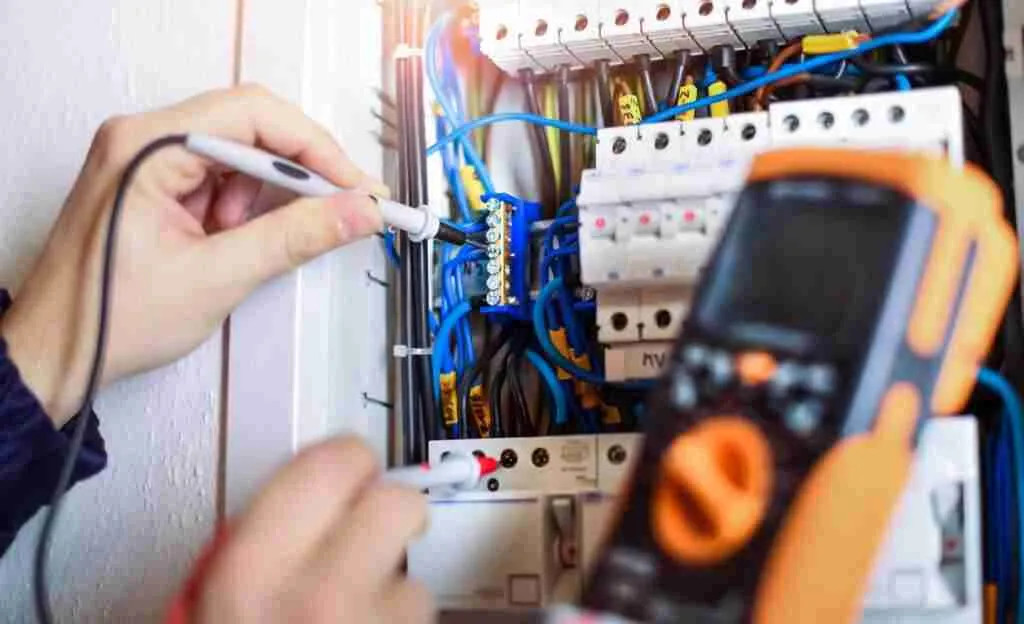
After the visual inspection, the electrician carries out a series of technical tests. Specialised testing equipment is used to measure circuit performance and verify that protective devices function correctly.
These tests help confirm that the installation complies with safety standards and that circuits will respond appropriately if an electrical fault occurs.
What Is Included in the EICR Checklist?
Core Components Checked During an Inspection
A professional inspection follows a structured EICR checklist to ensure that every important part of the electrical system is examined.
The checklist typically includes the consumer unit, wiring systems, sockets, switches, lighting circuits, and safety devices. Earthing and bonding systems are also inspected because they play a critical role in protecting occupants from electric shock.
By following this checklist, electricians can assess the entire installation rather than focusing only on visible components.
Why a Structured Checklist Matters
Using a consistent checklist ensures that inspections remain thorough and reliable. It helps electricians document their findings accurately and ensures that potential risks are identified during the inspection.
For landlords and property owners, this structured approach provides confidence that the electrical system has been assessed according to recognised safety standards.
Room-by-Room Breakdown of an EICR Inspection
Consumer Unit (Fuse Box)
The inspection usually begins at the consumer unit, sometimes called the fuse box. This is the central point where electricity is distributed throughout the property.
The electrician checks the condition of the unit, examines circuit breakers, and ensures protective devices such as RCDs are installed where required. Modern consumer units offer improved safety features, so older systems may be flagged for potential upgrades.
Living Rooms and Common Areas
Living rooms and shared spaces often contain multiple sockets and lighting points that are used daily. During the inspection, the electrician examines these outlets and fittings to confirm that they are secure and free from damage.
Signs of overheating, loose fittings, or damaged cables can indicate potential electrical problems. These checks form an important part of the electrical inspection process because these areas support everyday electrical use.
Kitchen Electrical Systems
Kitchens receive particular attention during the inspection because they contain several high-power appliances. Equipment such as ovens, kettles, and dishwashers can place significant demand on electrical circuits.
The electrician checks the wiring serving these appliances and confirms that the circuits can handle the electrical load safely. They also verify that sockets and isolator switches are positioned safely, especially in areas where water may be present.
Bedrooms and Sleeping Areas
Bedrooms typically contain simpler electrical systems, but they are still included in the EICR checklist. The electrician checks sockets, switches, and lighting fittings to ensure they are securely installed and functioning correctly.
Any visible wiring is examined for signs of deterioration or damage. These checks help ensure that the electrical system supporting everyday devices remains safe.
Bathrooms and Wet Areas
Bathrooms require special attention because of the increased risk created by the presence of water. Electrical installations in these areas must comply with strict safety rules defined in the BS 7671 Wiring Regulations.
The electrician checks whether lighting fixtures, extractor fans, or electric showers are installed in appropriate locations and protected by suitable safety devices.
Hallways and Circulation Areas
Hallways and staircases provide essential access routes within a property. Reliable lighting in these areas is important for safety, so the electrician checks that switches and lighting circuits operate correctly.
In some cases, smoke alarms or other safety systems may be connected to the electrical supply in these areas. The inspection confirms that these devices receive a stable power supply.
Outdoor Electrical Installations
If the property has external electrical equipment, these installations are also assessed. Outdoor lighting, sockets, and garage power supplies must be properly protected from weather conditions.
The electrician checks that cables are insulated correctly and that outdoor systems include appropriate protective devices.
Earthing and Bonding Checks
Earthing systems provide a safe path for electrical fault currents to travel to the ground. Without proper earthing, electrical faults could create dangerous shock hazards.
During this stage of the EICR checklist, the electrician verifies that earthing conductors are properly connected and that bonding links exist between the electrical system and metal services such as water or gas pipes. These protective systems play a crucial role in maintaining electrical safety within the property.
What Happens After the Inspection?
Preparing the Electrical Installation Condition Report
Once the inspection is complete, the electrician prepares the Electrical Installation Condition Report. This document summarises the results of the electrical inspection process and explains whether the installation is safe for continued use. The report will state whether the installation is satisfactory or whether remedial work is required.
Understanding the Results
If the installation is satisfactory, the report confirms that the system meets current safety standards. If faults are identified, the report will outline the necessary repairs or improvements.
Landlords must ensure that any required remedial work is completed within the timeframe specified in the report.
Conclusion
Understanding what is EICR and how the inspection works helps landlords and property owners manage electrical safety more effectively. An EICR test follows a structured electrical inspection process designed to evaluate the entire electrical system.
By working through a detailed EICR checklist, electricians assess every part of the installation, from the consumer unit and wiring to the electrical systems in individual rooms. This room-by-room approach ensures that potential hazards are identified and addressed early.
Regular inspections with EICR CERTS help maintain safe electrical systems, protect occupants, and ensure that properties remain compliant with electrical safety regulations.